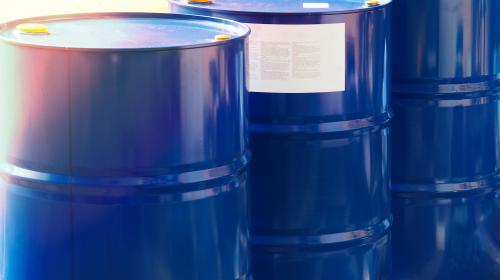
What Makes a Substance a DOT Class 9 Hazardous Material?
The U.S. Department of Transportation (DOT) Hazardous Materials Regulations (49…
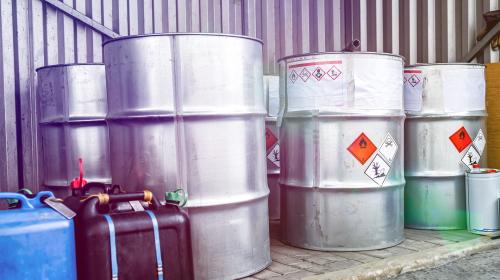
EPA Update: New Management Method Code S Replaces H141
To improve hazardous waste data precision and address recurring data entry…
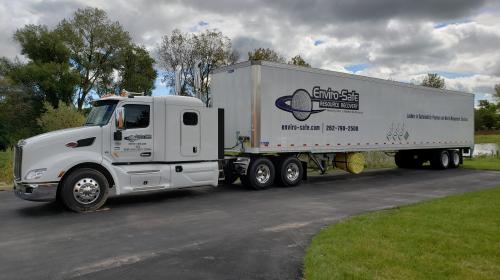
Top 10 Tips for Selecting Your Hazardous Waste Transporter: Part II
Because of a generator’s “cradle-to-grave” liability, choosing a transporter is…
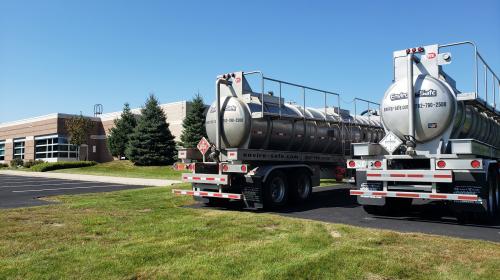
Top 10 Tips for Selecting Your Hazardous Waste Transporter: Part I
In a previous post, How to Select a Treatment Storage and Disposal Facility (…
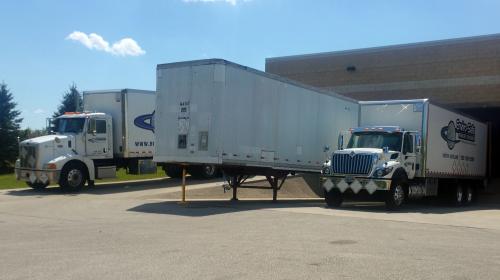
How to Select a Treatment Storage and Disposal Facility (TSDF)
Some business owners mistakenly believe that their generated waste is no longer…
Managing Universal Waste in Wisconsin Part II: Regulations, Best Practices and Recycling
This post is continued from a previous post, “Managing Universal Waste in…

Managing Universal Waste in Wisconsin Part I: Regulations, Best Practices and Recycling
Batteries, pesticides, lamps and devices containing mercury: for many…

What to Do When Your CEO Sets New Sustainability Goals
Perhaps you serve as your company’s Environmental, Health and Safety manager or…
Top 10 Frequently Asked Questions about Satellite Accumulation Areas (SAA): Part II
This post is continued from last week’s post, “Top 10 Frequently Asked…
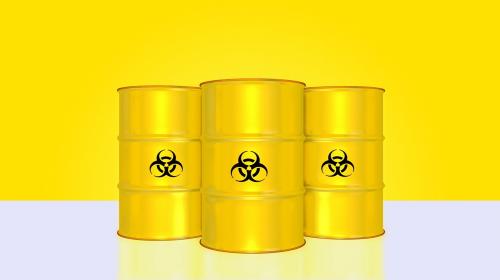
Answers To Your Satellite Accumulation Area Questions
For Large and Small Quantity Generators of hazardous waste, understanding…
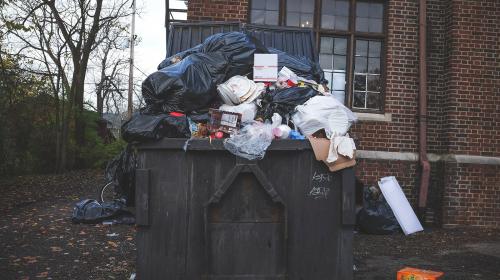
Why is My Company’s Landfill Diversion Rate Important for Our Bottom Line?
As a waste generator, you may hear other companies talk about their waste…

Pharmaceutical Waste Management Tips
Federal and state laws regulating pharmaceutical waste disposal are both…

Recycling Hazardous Waste: Good for Business
According to the Environmental Protection Agency, around 6,600 facilities…