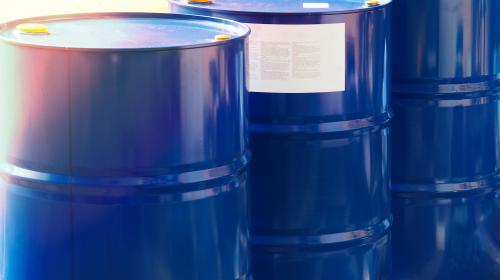
What Makes a Substance a DOT Class 9 Hazardous Material?
The U.S. Department of Transportation (DOT) Hazardous Materials Regulations (49…
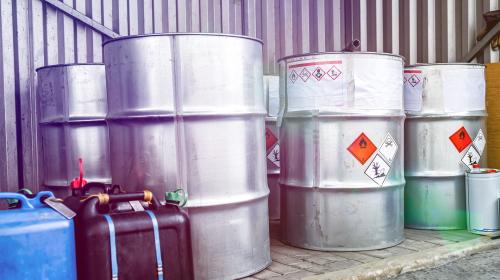
EPA Update: New Management Method Code S Replaces H141
To improve hazardous waste data precision and address recurring data entry…

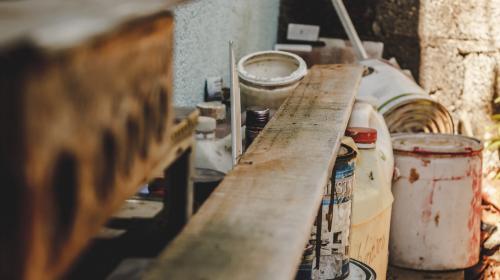
Handling Paints and Coatings Waste from Your Business: Part II
If you haven’t read it yet, be sure to look back at last week’s post, “Handling…

Handling Paints and Coatings Waste from Your Business: Part I
Industrial Paint Disposal What does your business do with its empty…

Understanding Cosmetics: Hazardous Waste Regulations
Visit a retail store, and you’ll likely see the cleaning aisle is separate from…
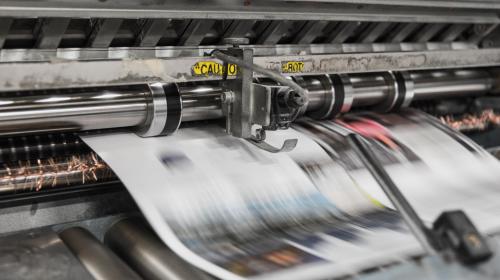
Printing Industries: The Guide to Recycling that May Lower Your Generator Category
Waste Management In The Printing Industry If you work in printing, you…
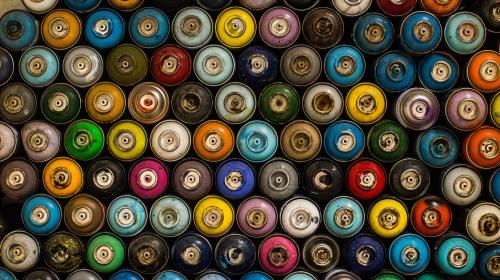
Aerosol Cans Now Classified as Universal Waste by the EPA
In November 2019, the Environmental Protection Agency (EPA) signed a final rule…

How to Choose a Responsible Recycler for Your Business
As a generator of hazardous and/or non-hazardous waste, you may have materials…

The Most Common RCRA Regulation Violations : Part II
RCRA regulations on hazardous waste management protect the environment and…

The Most Common RCRA Regulation Violations: Part I
The Resource Conservation Recovery Act (RCRA) is one of the most important sets…
Best Practices, Regulations and Your Guide to Used Oil Recycling
380 million gallons: that is the number of gallons of used oil recycled across…
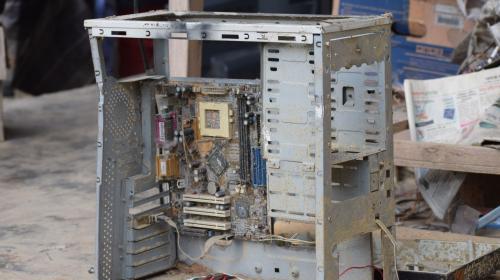
A Guide to E-Waste Recycling in Wisconsin
E-waste (electronic waste) possesses both potential value and harm for…

The Best Hazardous Waste Transportation Services: It Starts with Our Drivers
Safe transportation services start with skilled drivers. But what sets drivers…